Chemical Peel & Laser Skin Treatments
Chemical Peel & Laser Skin Treatments
Dr. Sterling provides the highest quality skin rejuvenation for people who want the best. Dr. Sterling’s patients have been featured in scientific medical journals including the Journal of the American Academy of Dermatology.
Congratulations!
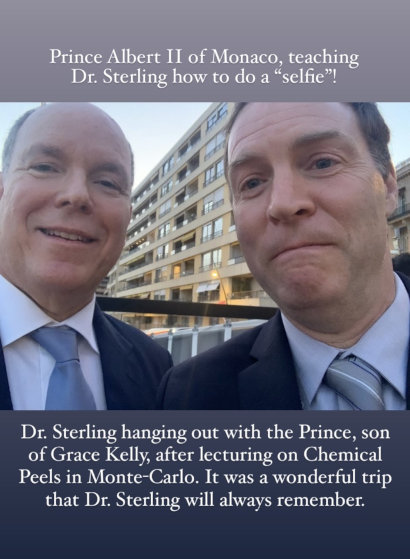
Dr. Sterling was selected to lecture on his expertise on Chemical Peels and Skin Rejuvenation to other dermatologists at the American Academy of Dermatology 2024, 2023, 2022, 2020, 2019, 2018 and 2016 meetings in New Orleans, Boston, Denver, San Diego and Washington D.C., the International Peeling Society 2026, 2019 and 2017 meetings, American Society of Dermatologic Surgery 2022 and 2023 meetings and the European Academy of Dermatology 2021 and 2022 Congress in Milan, Italy and DASIL world congress in Mexico City and AMWC 2023 in Monte-Carlo, Monaco and the CPC 2023 meeting in Basel Switzerland.
Dr. Sterling is currently Vice-Chairman of the International Peeling Society-USA
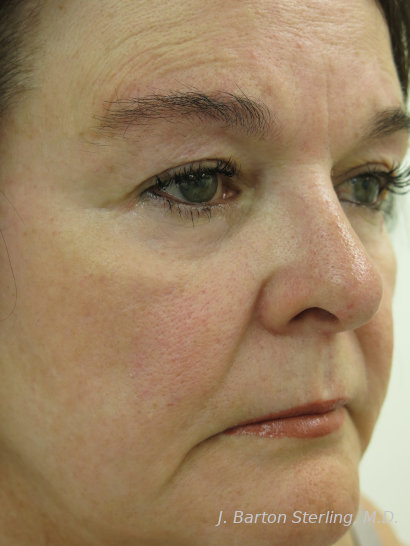
*All pictures are unmodified photographs
of actual patients of Dr. Sterling’s, shown
with their written permission. Individual
patient results may vary.
Chemical peel
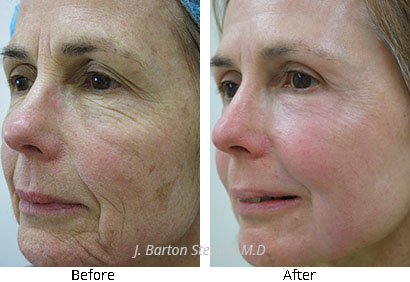
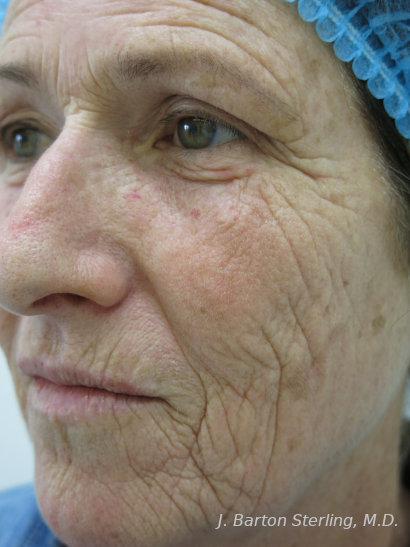
Chemical peel before side view
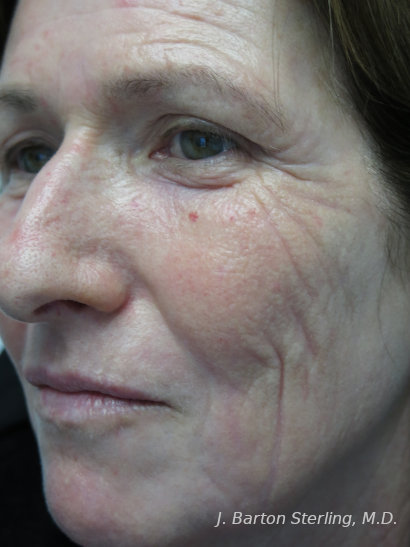
Chemical peel after side view
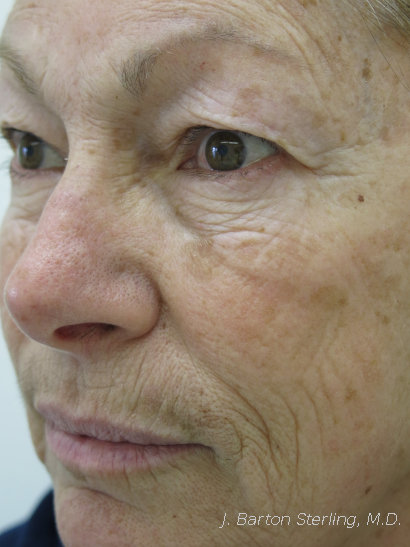
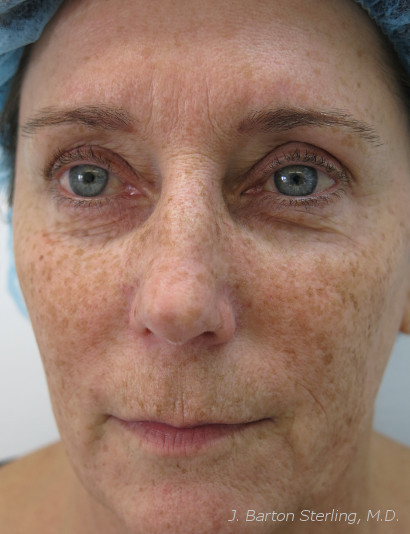
Chemical peel before
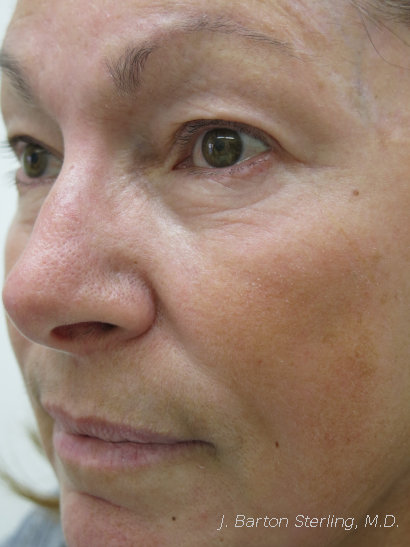
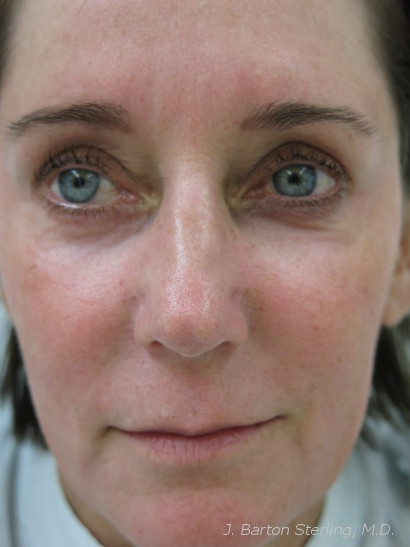
Chemical peel after
*All pictures are unmodified photographs
of actual patients of Dr. Sterling’s, shown
with their written permission. Individual
patient results may vary.
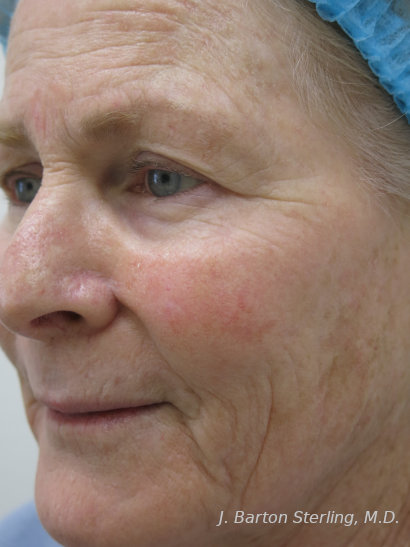
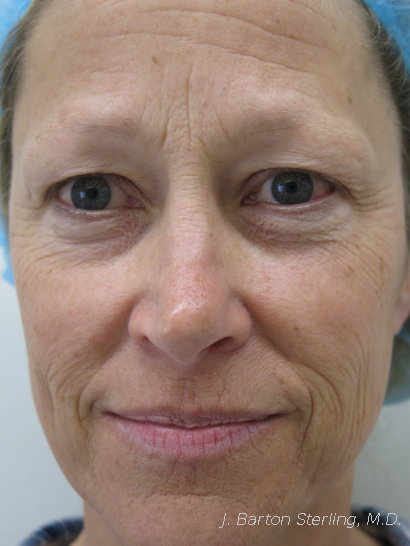
Chemical peel before
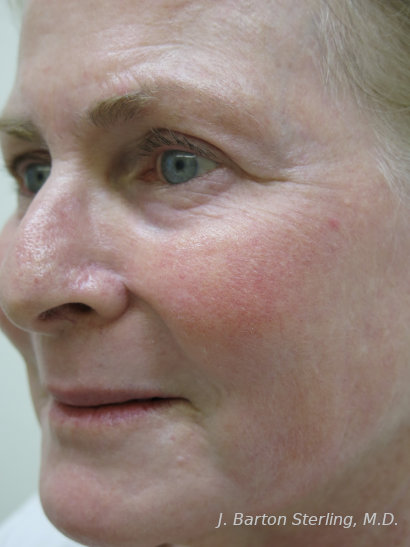
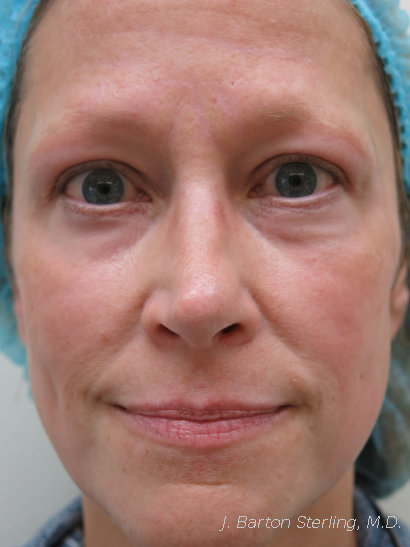
Chemical peel after
Chemical Peel
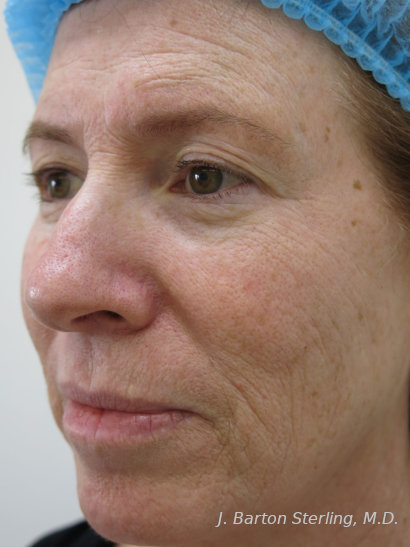
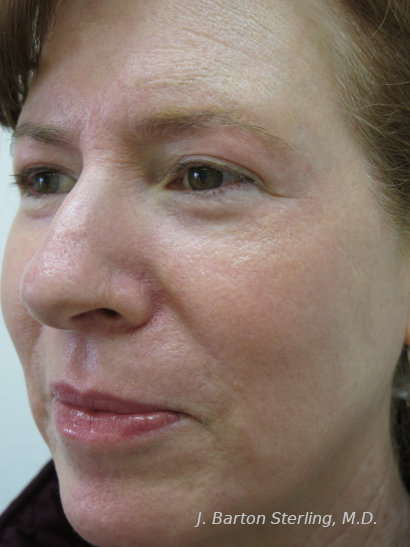
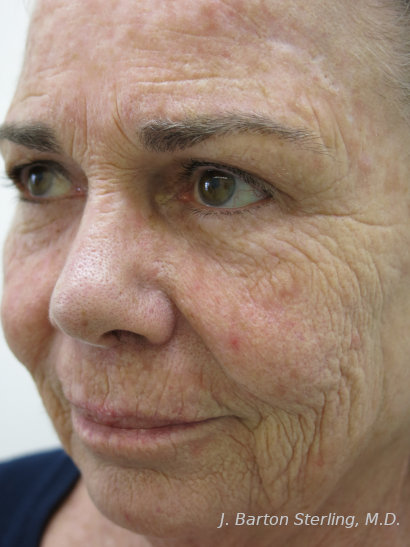
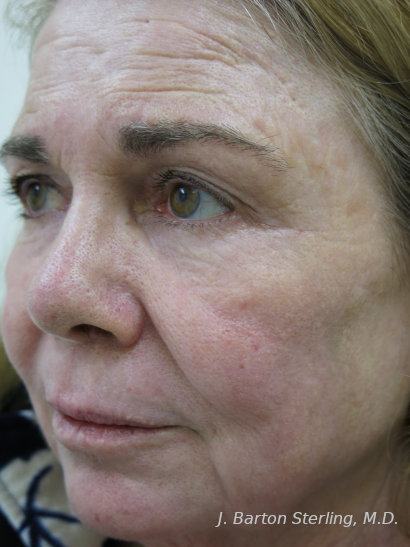
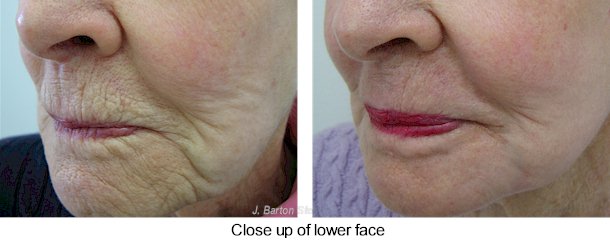
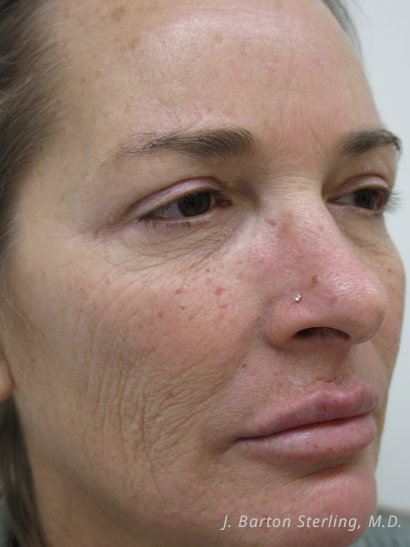
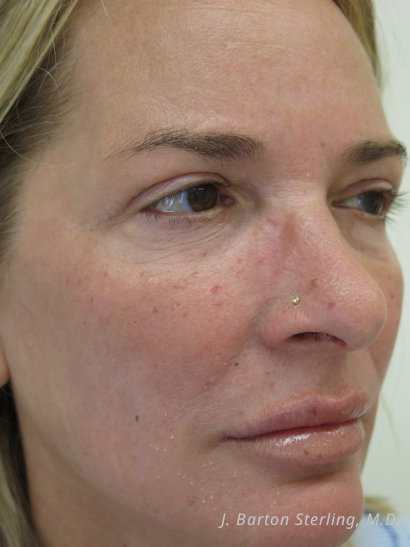
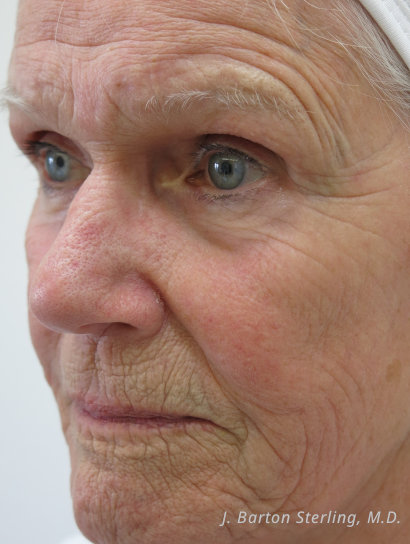
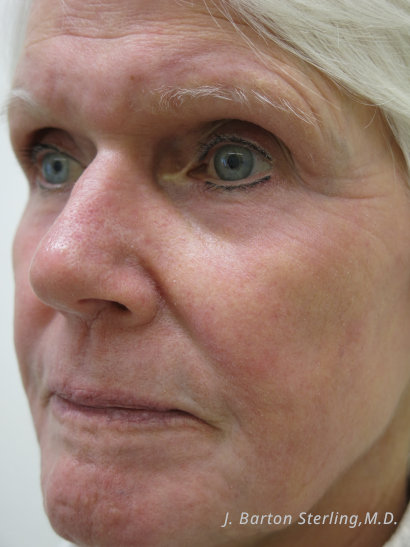
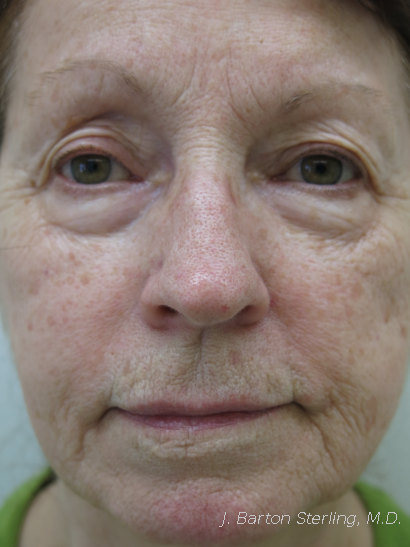
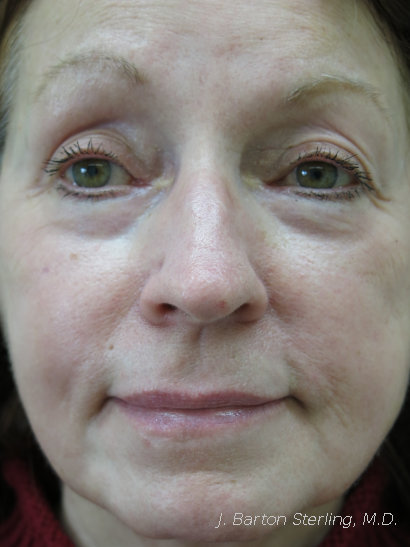
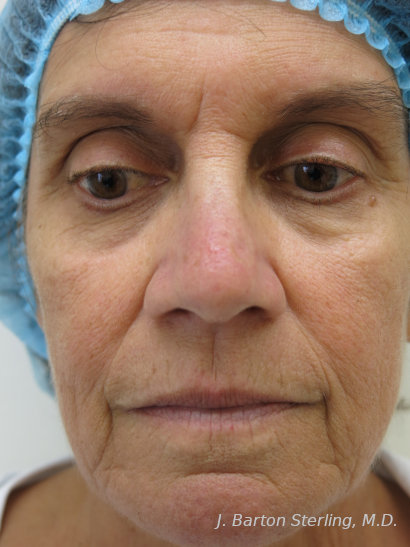
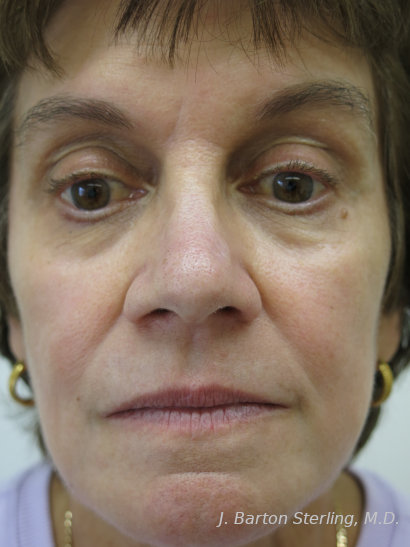
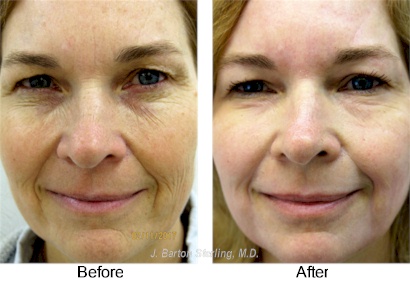
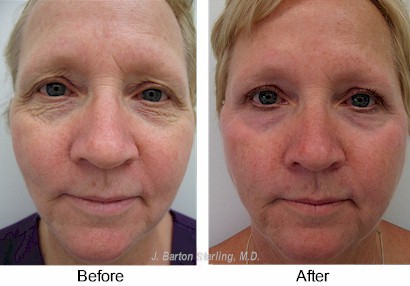
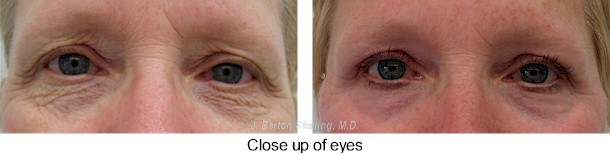
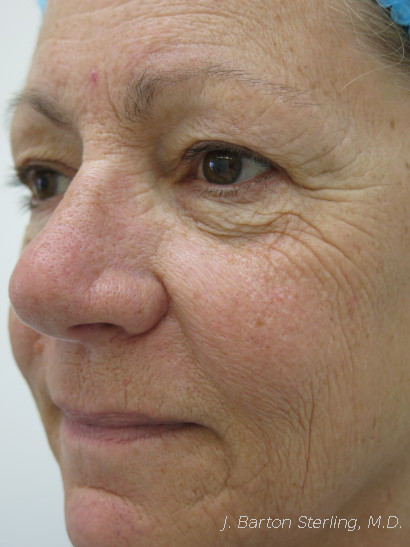
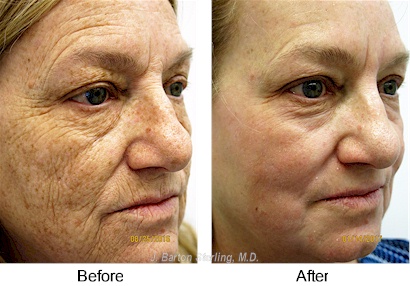
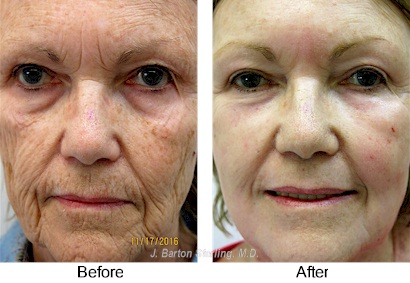
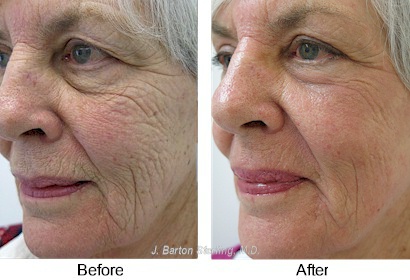
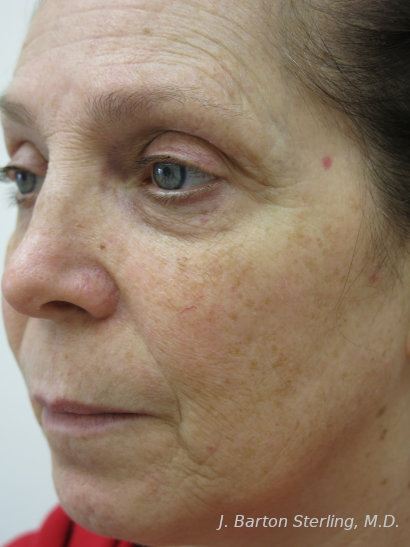
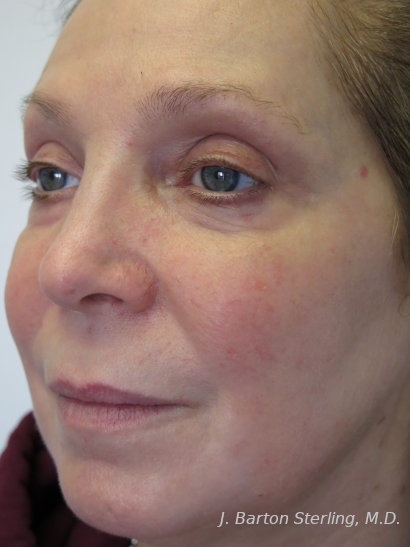
A chemical peel is often the single best treatment to achieve complete facial rejuvenation. Dr. Sterling is an expert in performing all types of peels. Chemical peels reduce or even completely eliminate wrinkles, sun spots, age spots, and freckles. Once the peel heals, the skin looks healthier, cleaner, and more youthful.
Chemical peels have become very popular. Millions of peels are performed each year. Since the days of Cleopatra, chemical peels have been used to obtain more beautiful skin. Today, new techniques and technologies in peeling offer effective ways to rejuvenate the skin.
Your comfort is very important to us. Peels are done comfortably in our office, using modern numbing techniques and medicines.
During your peel, multiple solutions are applied to the skin which cause the top cell layers to separate and peel off allowing new skin to regenerate. Dr. Sterling tailors each peel to the patient’s unique individual needs. Unlike surgery, there are no incisions. In addition, chemical peels are substantially less expensive than traditional surgery. Furthermore, compared to surgery or laser resurfacing, chemical peeling stimulates both collagen and elastin. This results in superior skin rejuvenation that looks natural and is long lasting.
Chemical peel with upper lip scar correction – Before
Chemical peel with upper lip scar correction – After
Chemical peel before
Chemical peel after
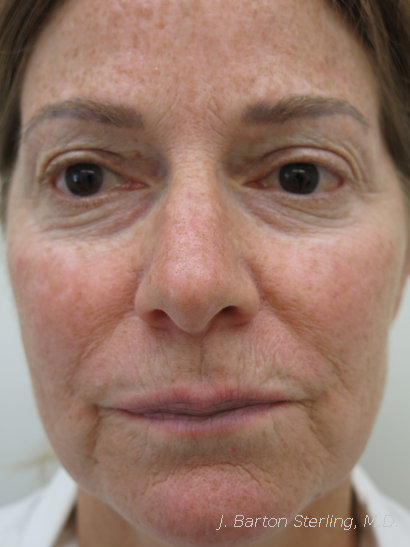
Chemical peel before
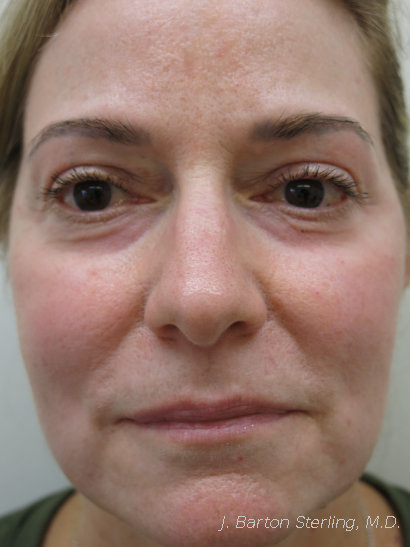
Chemical peel after
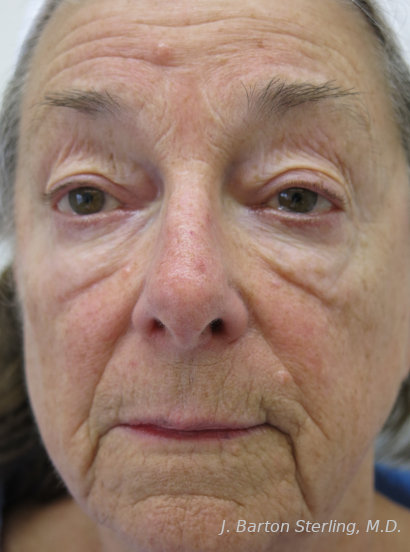
Chemical peel before
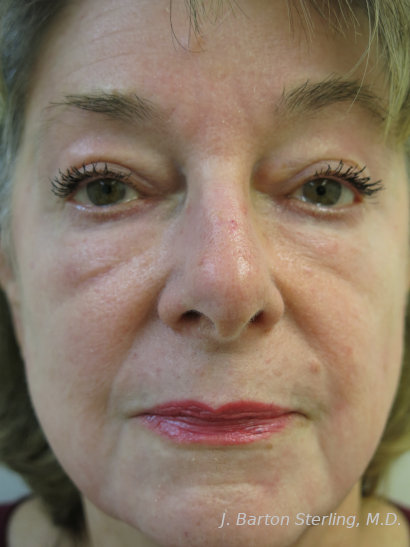
Chemical peel after
Chemical peel before
Chemical peel after
*All pictures are unmodified photographs
of actual patients of Dr. Sterling’s, shown
with their written permission. Individual
patient results may vary.
Chemical peel before
Chemical peel after
Chemical peel before
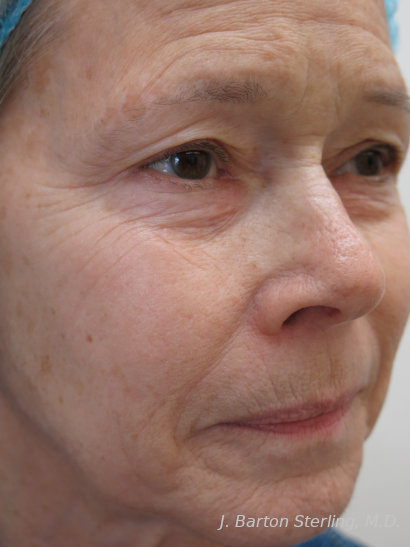
Chemical peel after
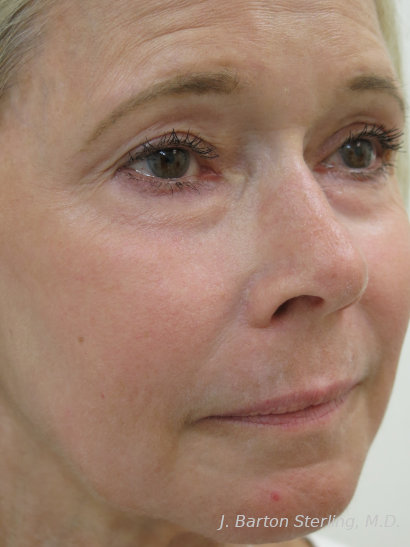
Chemical peel before
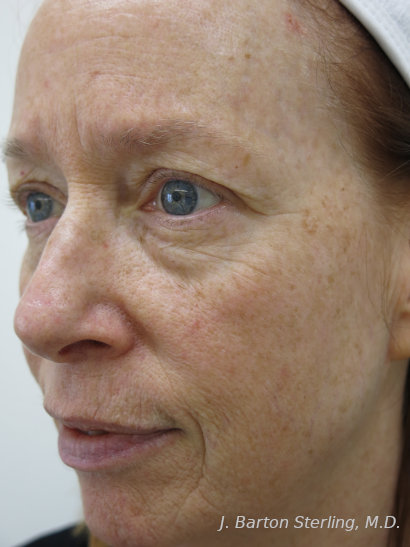
Chemical peel after
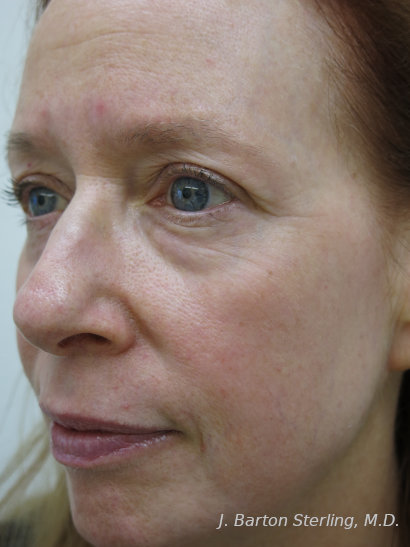
Chemical peel before

Chemical peel after

Chemical peel before
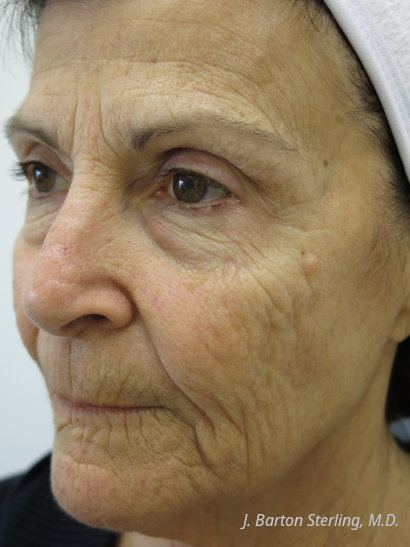
Chemical peel after

Full face chemical peel with deeper peel to the upper eyelids to tighten upper eyelid skin–a “Blepharopeel”
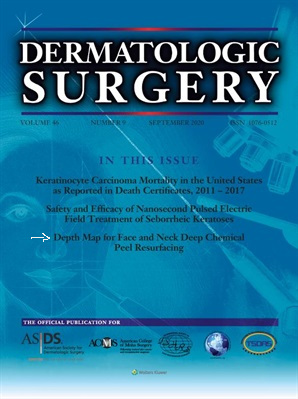
Recently Dr. Sterling was the lead author in a scientific article about chemical peels.
This article was chosen to be featured on the cover of the journal Dermatologic Surgery.
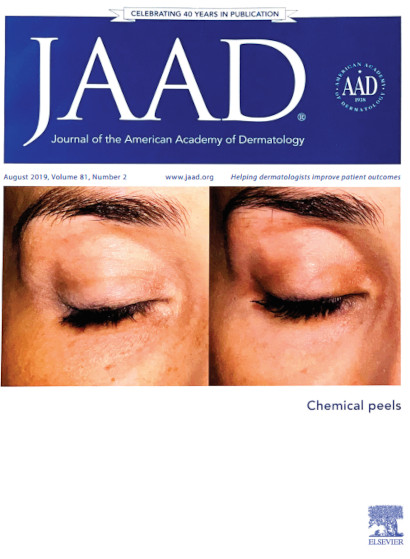
Dr. Sterling was also a co-author of another 2 articles which took the cover of the Journal of the American Academy of Dermatology!
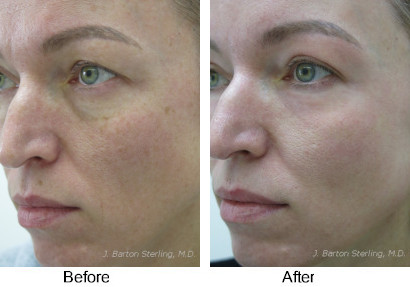
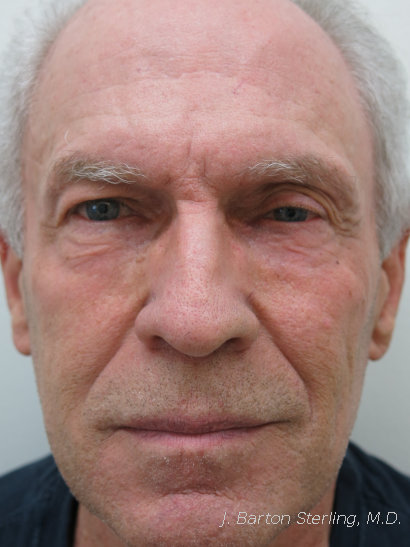
Chemical peel before
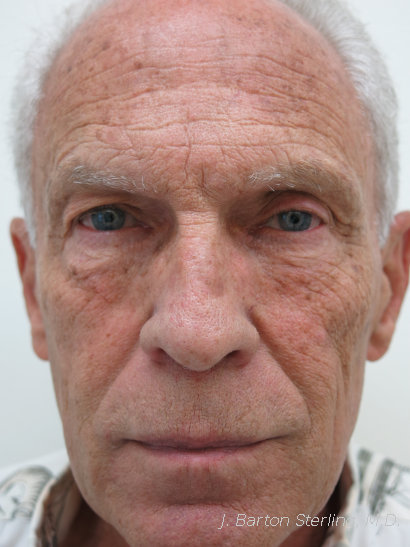
Chemical peel after
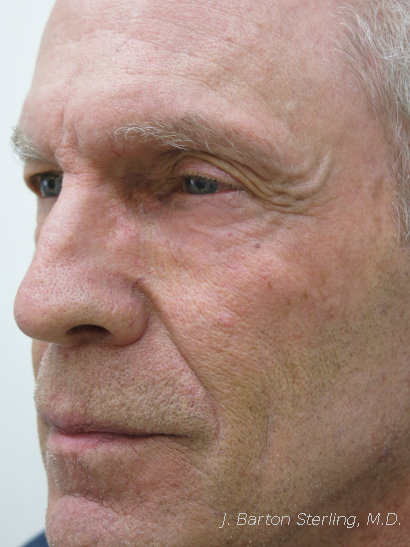
Chemical peel before
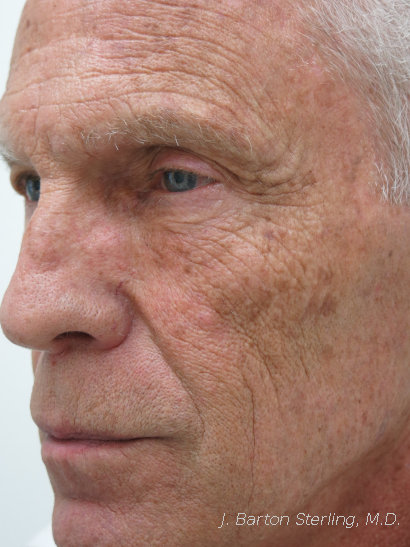
Chemical peel after
*All pictures are unmodified photographs
of actual patients of Dr. Sterling’s, shown
with their written permission. Individual
patient results may vary.
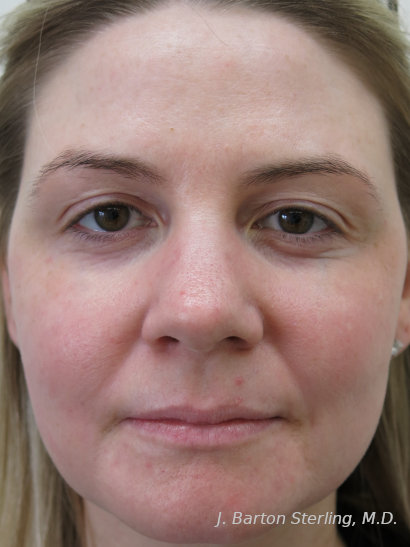
Chemical peel before
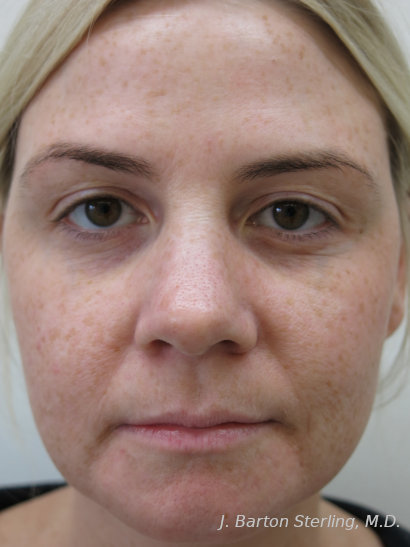
Chemical peel after
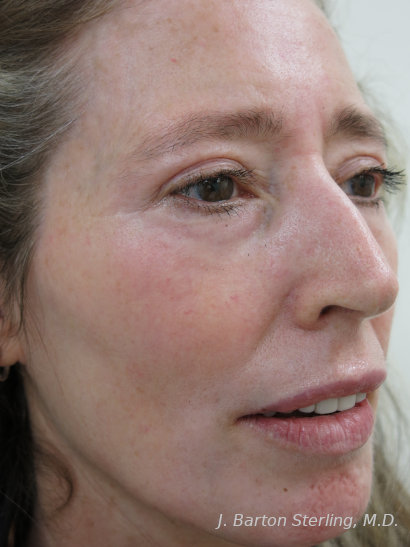
Chemical peel before
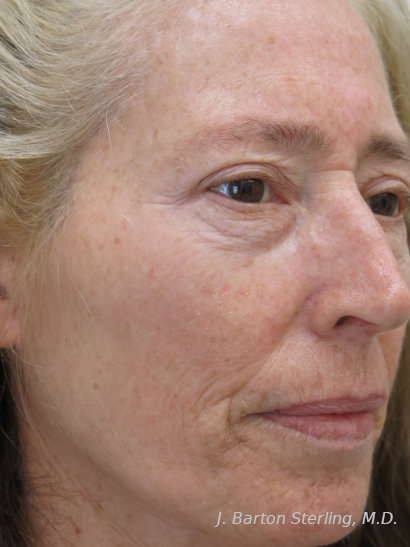
Chemical peel after
Chemical peel before
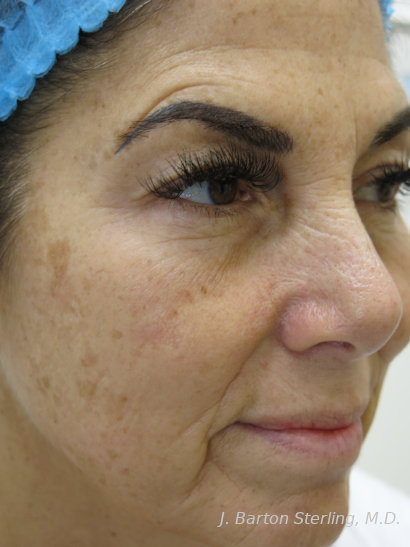
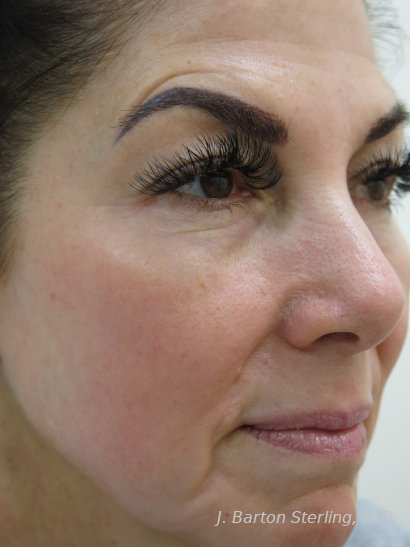
Chemical peel after
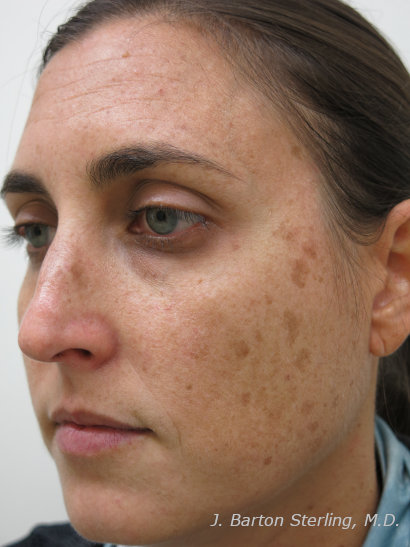
38 year-old before Chemical peel
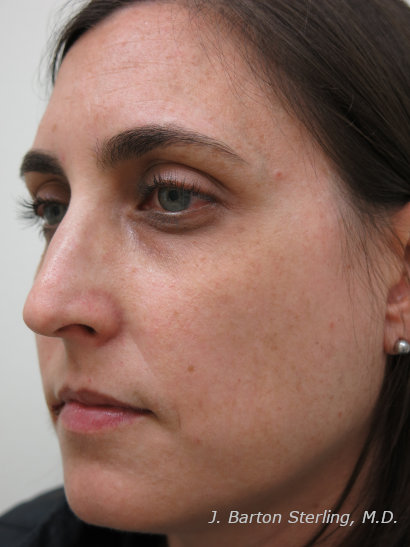
2.5 years later patient returned still very happy with peel result
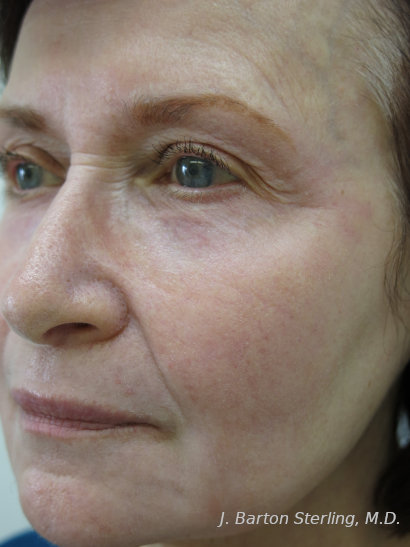
Chemical peel before
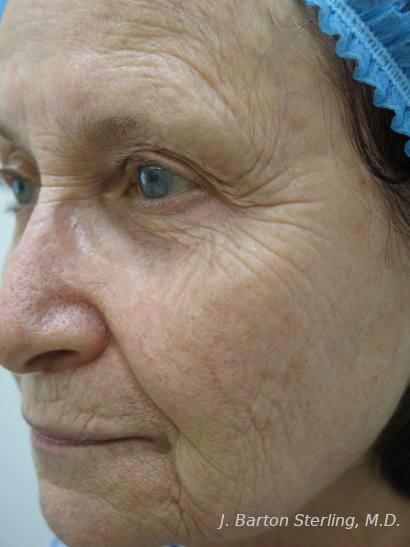
Chemical peel after
*All pictures are unmodified photographs
of actual patients of Dr. Sterling’s, shown
with their written permission. Individual
patient results may vary.
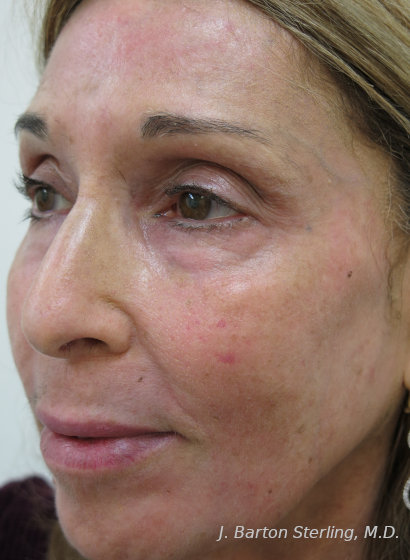
Chemical peel before
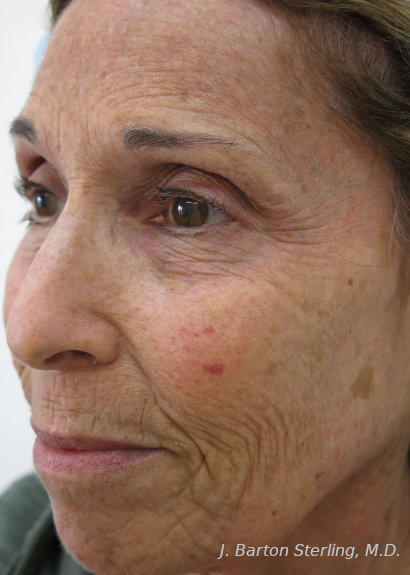
Chemical peel after
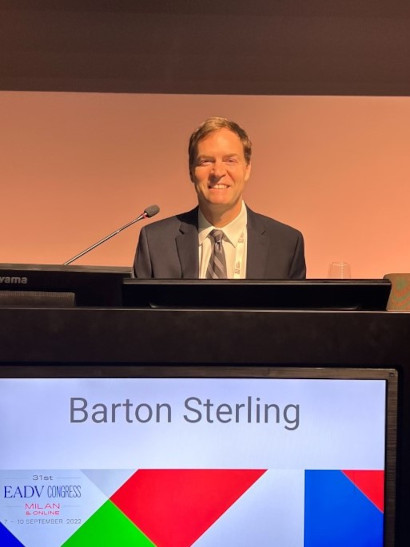
Dr. Sterling lecturing to other dermatologists about Chemical Peels at the European Dermatology Congress
Milan Italy
“The Art of Chemical Peeling”
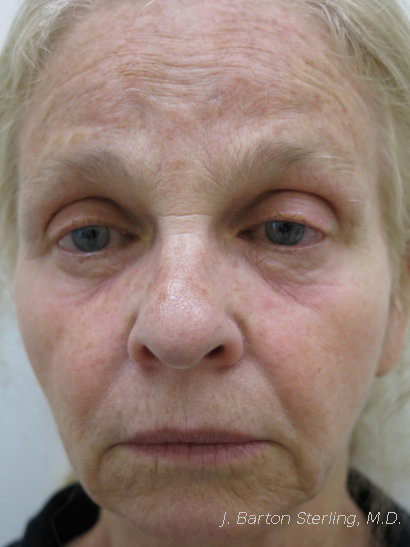
Chemical peel frontal view before
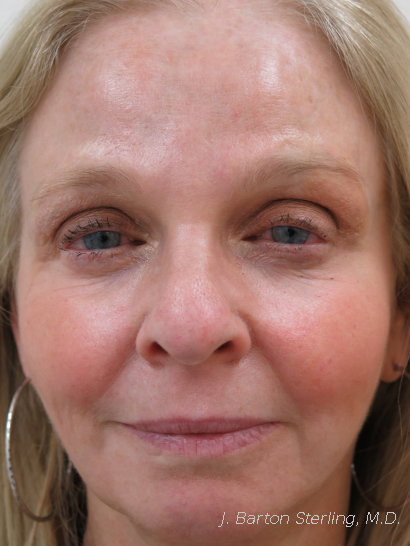
Chemical peel frontal view after
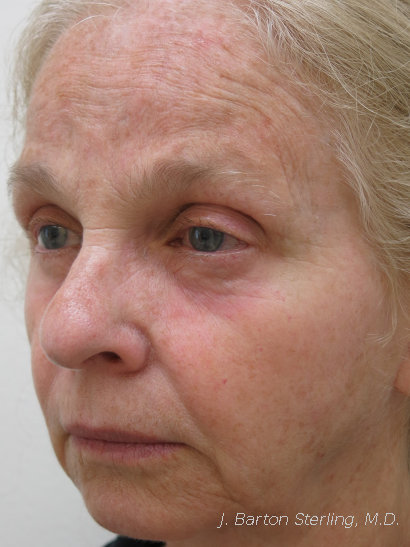
Chemical peel side view before
Chemical peel side view after
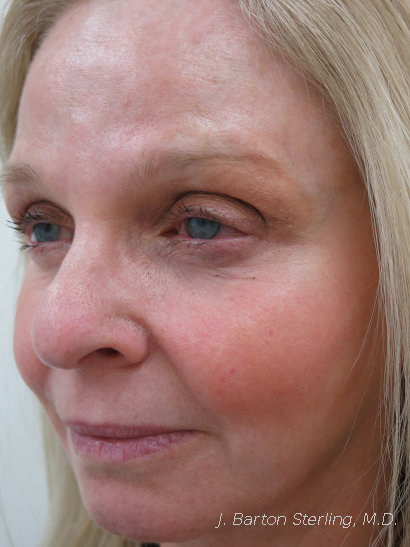
Chemical peel before
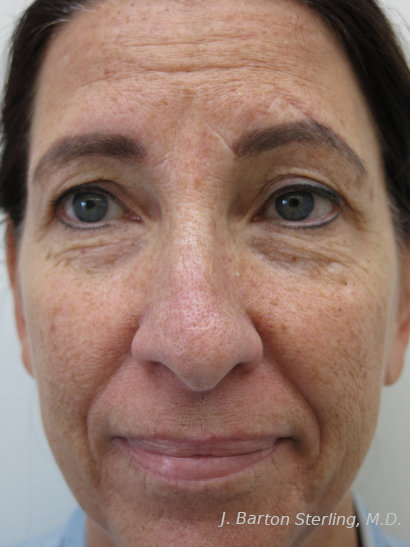
Chemical peel after
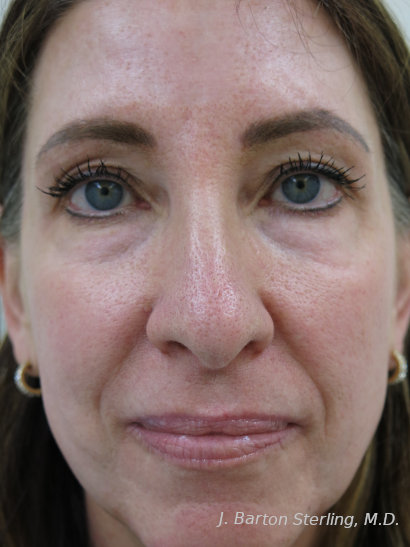
Chemical peel before

Chemical peel after

Chemical peel before
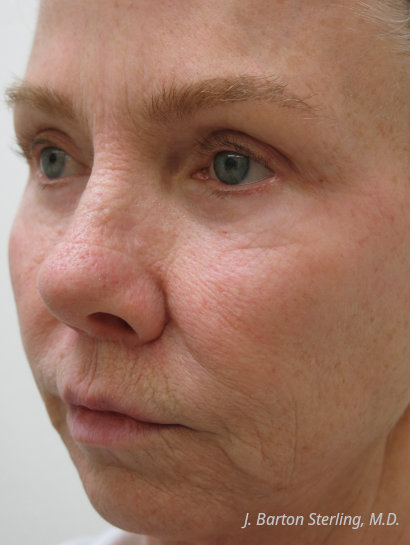
Chemical peel after

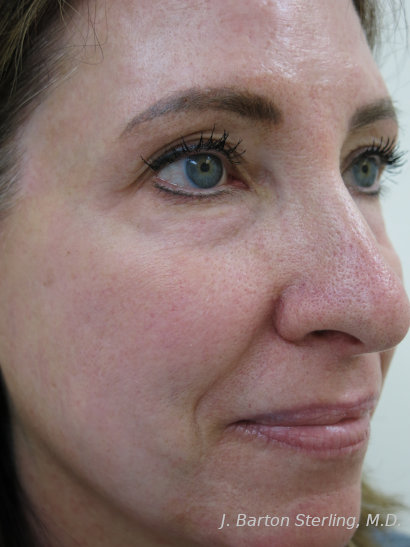
Chemical peel before
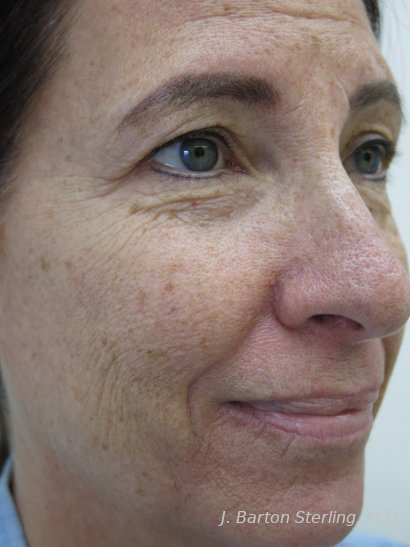
Chemical peel after
*All pictures are unmodified photographs
of actual patients of Dr. Sterling’s, shown
with their written permission. Individual
patient results may vary.
Chemical peel before
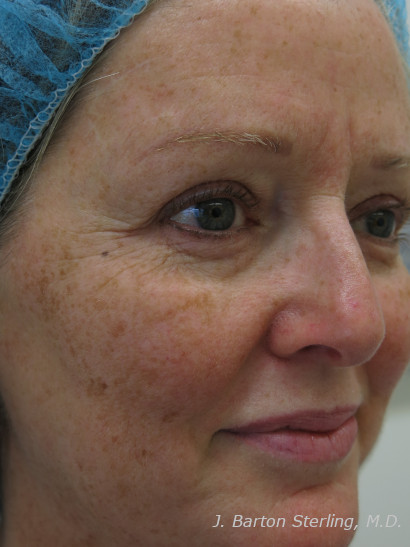
Chemical peel after
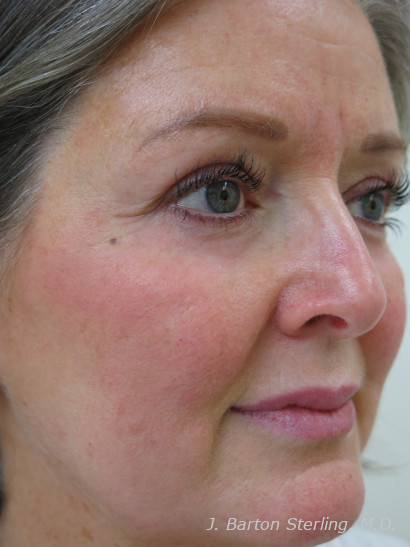
Chemical peel before
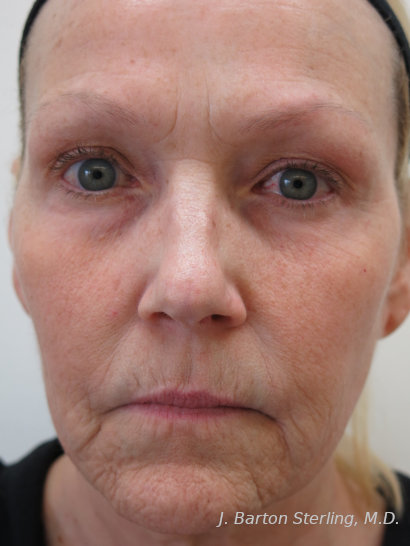
Video chemical peel after
Chemical peel before
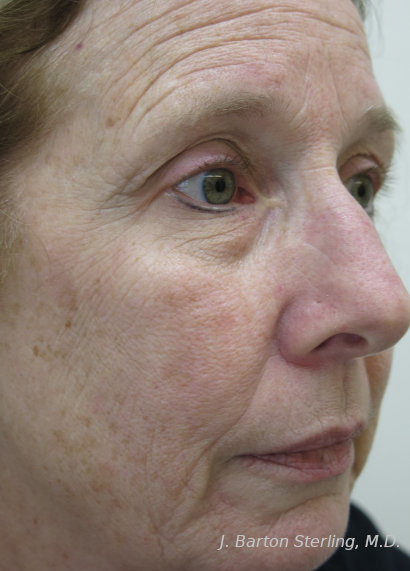
Chemical peel after
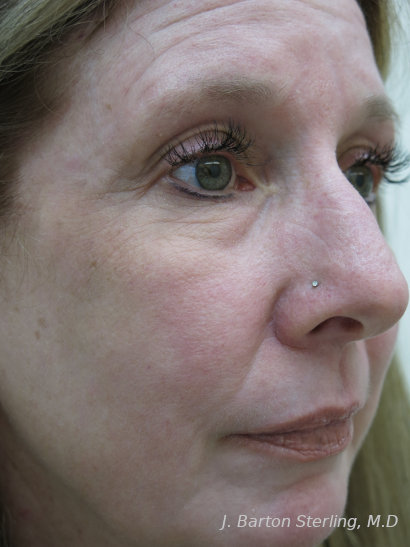
Chemical peel before

Chemical peel after

Chemical peel before
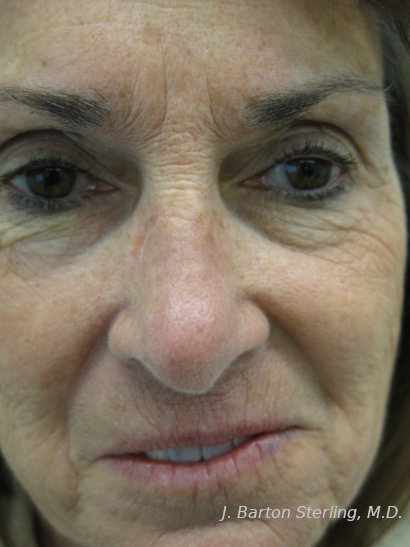
Chemical peel after
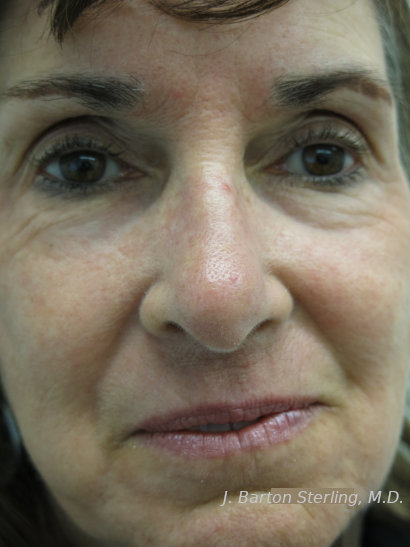
Chemical peel before
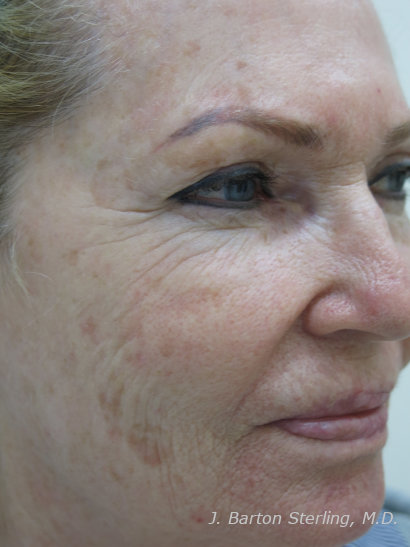
Chemical peel after
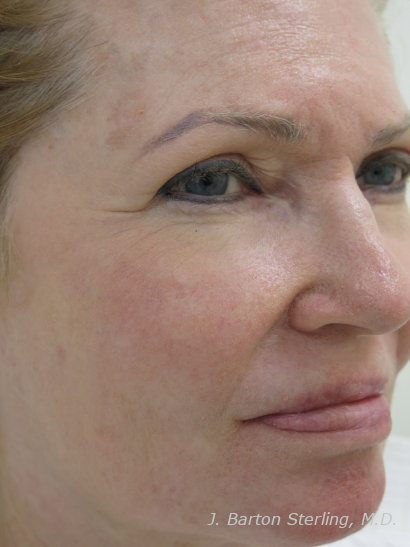
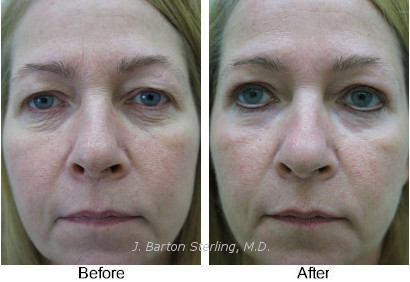
Full face peel with deeper peel around the eyes
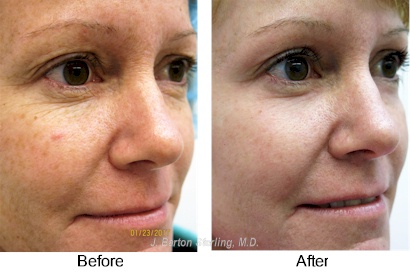
Don’t let the names scare you. Chemical peels, dermabrasion, and laser rejuvenation are effective cosmetic treatments that can benefit the skin in many ways. Dr. Sterling is a nationally recognized expert and has extensive experience using all three modalities.
In general, chemical peels provide superior and long lasting wrinkle removal. Dermabrasion minimizes scars and softens etched in wrinkle lines.
Lasers are excellent at removing broken blood vessels and brown spots with minimal down time.
During your private consultation, Dr. Sterling will discuss with you which of these methods, or other treatments such as Wrinkle Fillers or Botox, will help you the most. Dr. Sterling will also discuss risks and benefits of each option. Please call 732-449-3005 to schedule an appointment. Our friendly staff is available to answer any of your questions.
Laser rejuvenation before
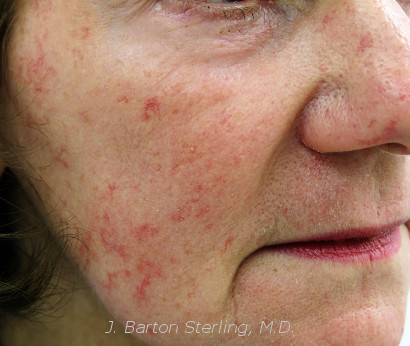
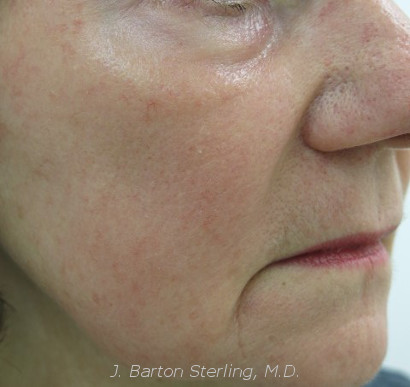
Laser rejuvenation after
*All pictures are unmodified photographs
of actual patients of Dr. Sterling’s, shown
with their written permission. Individual
patient results may vary.
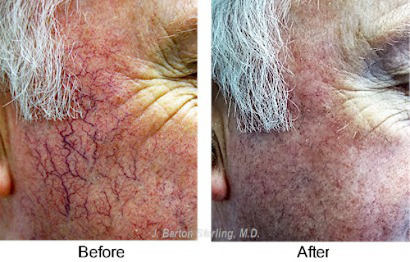
Laser treatment of red spots
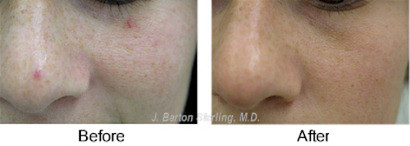
Brown spot removal
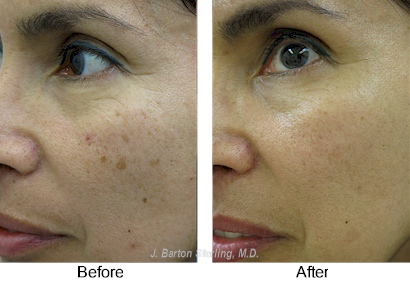
Brown spot removal
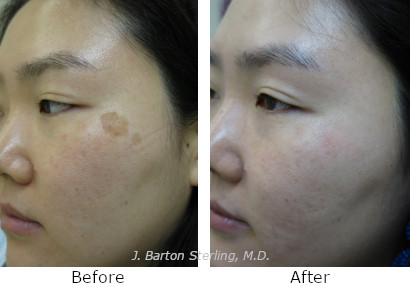
Chemical peel
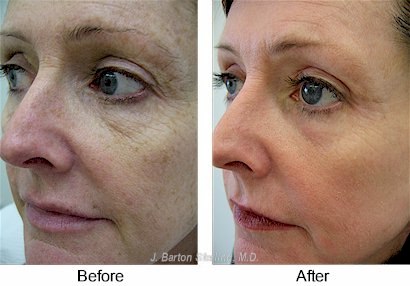
Chemical peel before
Chemical peel after
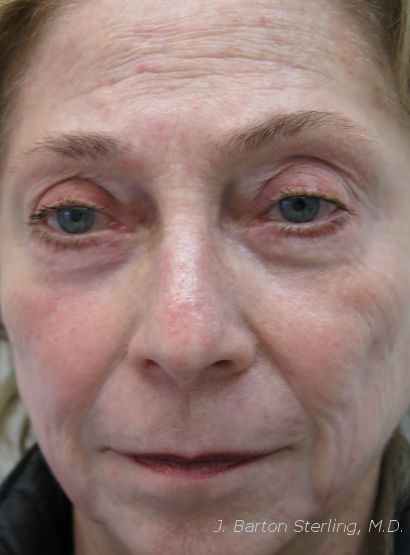
*All pictures are unmodified photographs
of actual patients of Dr. Sterling’s, shown
with their written permission. Individual
patient results may vary.
Chemical Peel Before
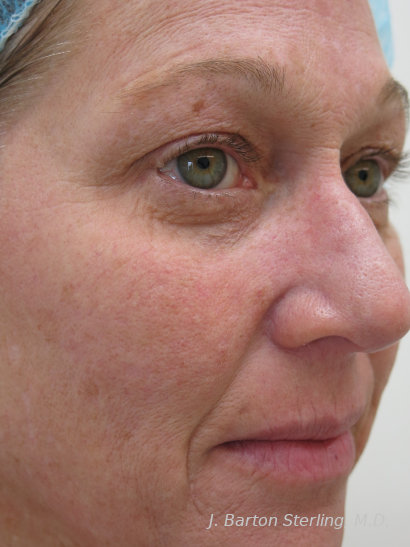
Chemical Peel After
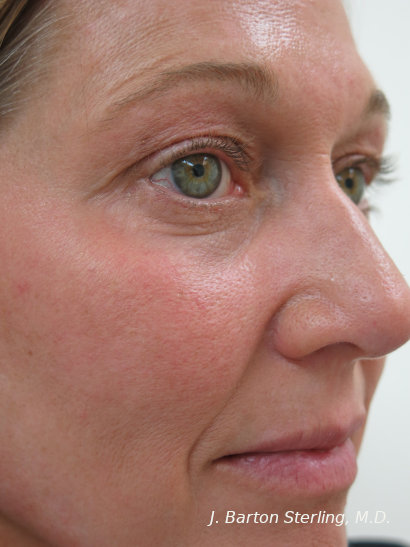
Full face chemical peel to even complexion
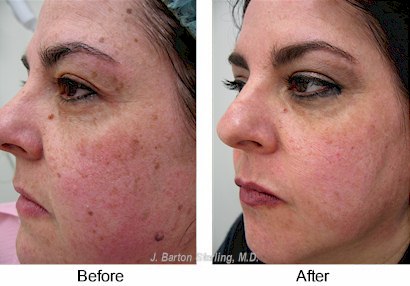
Full face chemical peel with deeper peel around the eyes
Laser rejuvenation and deeper peel around the eyes
Chemical Peel before
Chemical Peel after
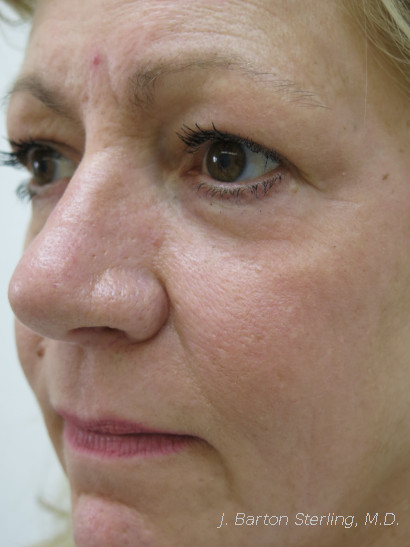
*All pictures are unmodified photographs
of actual patients of Dr. Sterling’s, shown
with their written permission. Individual
patient results may vary.
Deep chemical peel
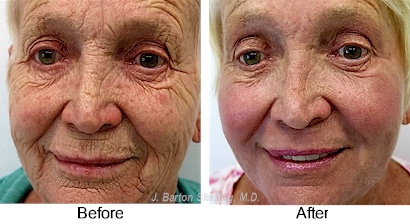
Deep chemical peel
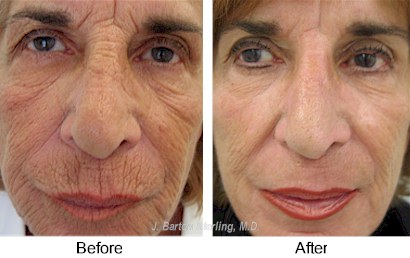
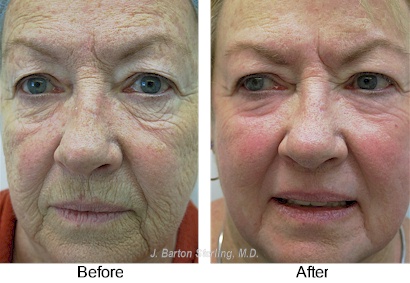
Full face chemical peel with deeper peel around the mouth
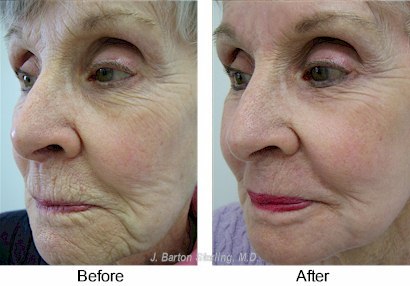
Laser treatment of broken vessels
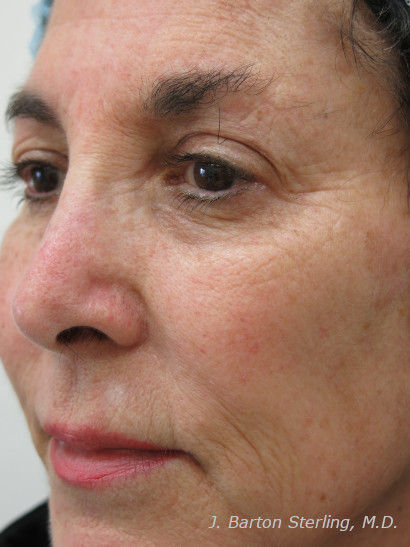
Chemical peel before
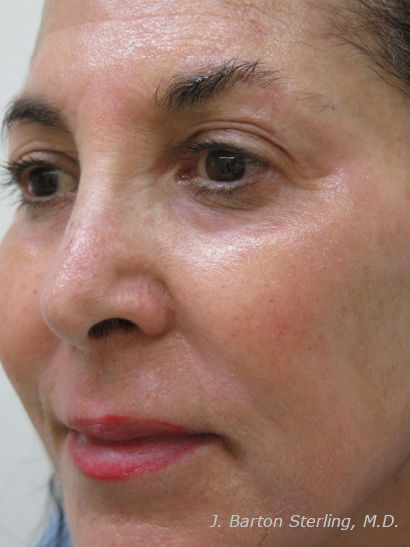
Chemical peel after
Chemical Peel
*All pictures are unmodified photographs
of actual patients of Dr. Sterling’s, shown
with their written permission. Individual
patient results may vary.
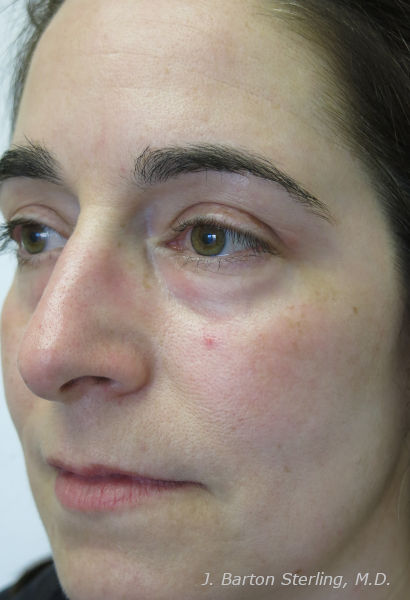
Chemical peel before
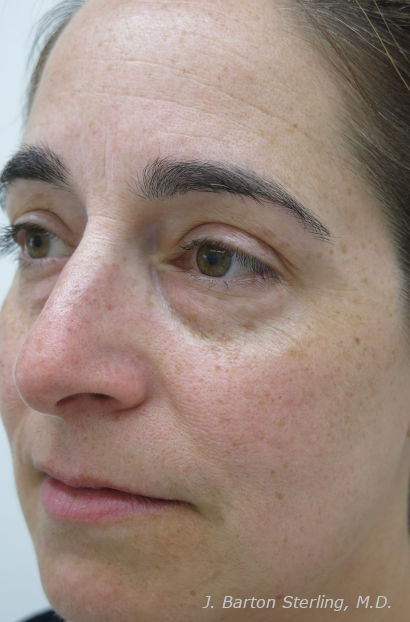
Chemical peel after
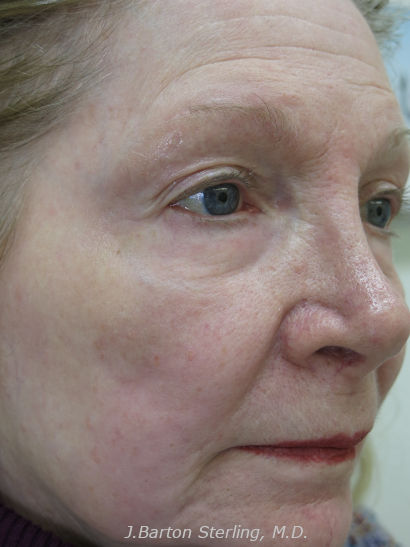
Chemical peel before
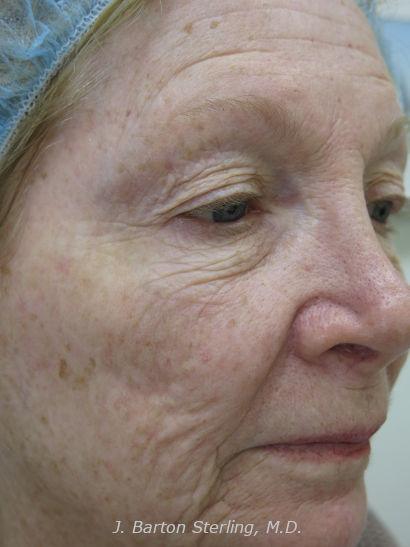
Chemical peel after
Chemical peel before
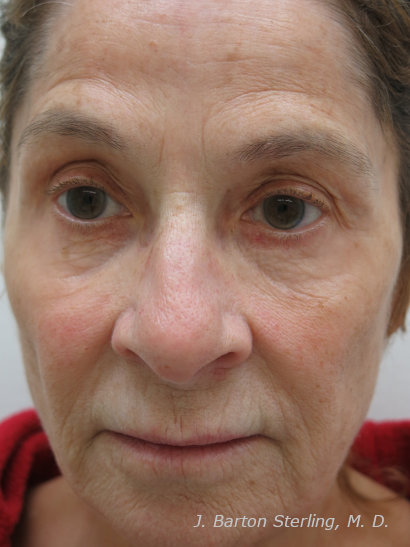
Chemical peel after
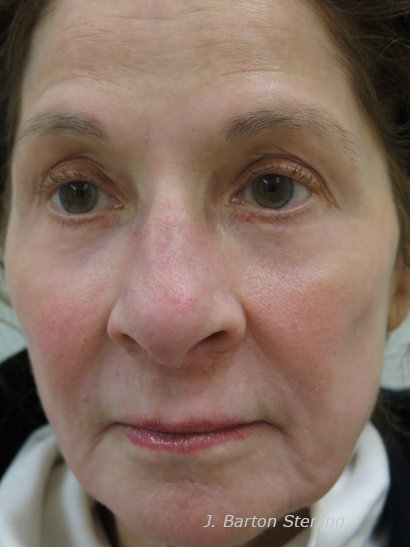
Chemical Peel
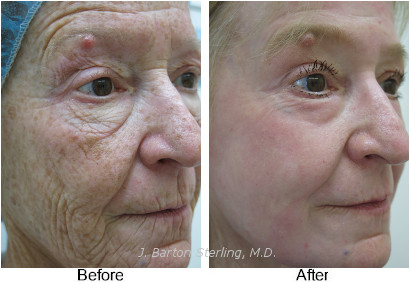
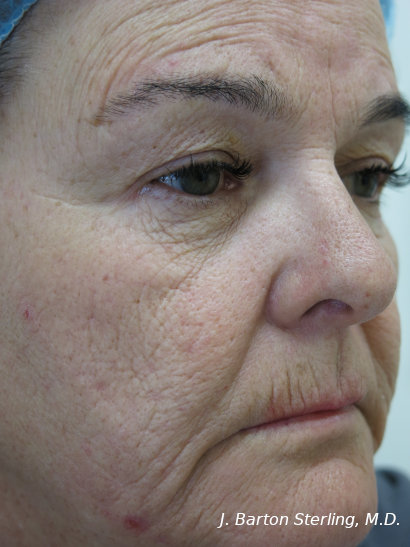
Deep chemical peel before
Deep chemical peel after
Deeper chemical peel to eyelids and frown lines between eyebrows
Deep chemical peel
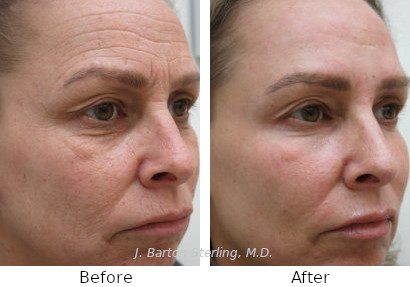
Before: deep etched in forehead lines which were not responsive to botulinum toxin
After: Chemical Peel focusing on forehead lines then botulinum toxin applied with beautiful result
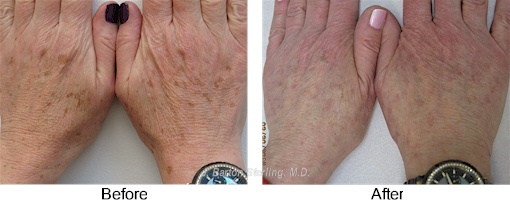
Hand Rejuvenation
Deep chemical peel
Deep chemical peel
Chemical peel before
Chemical peel after
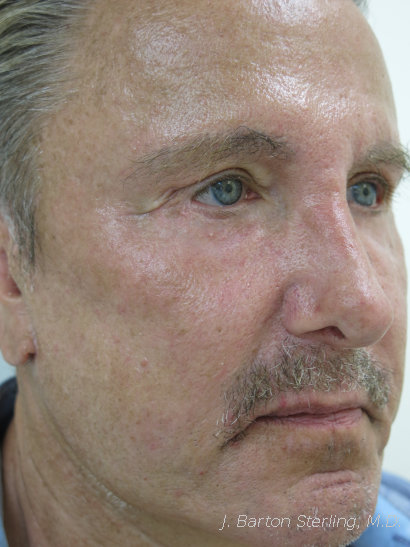
Chemical peel before
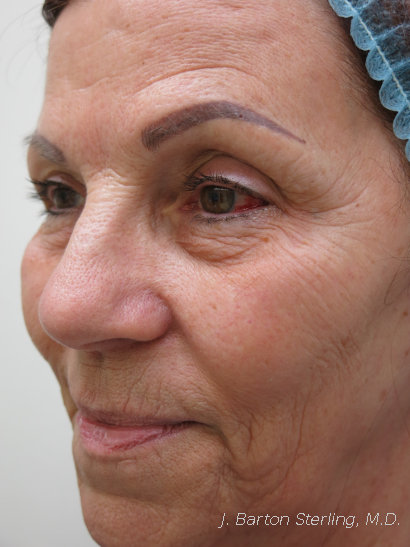
Chemical peel after
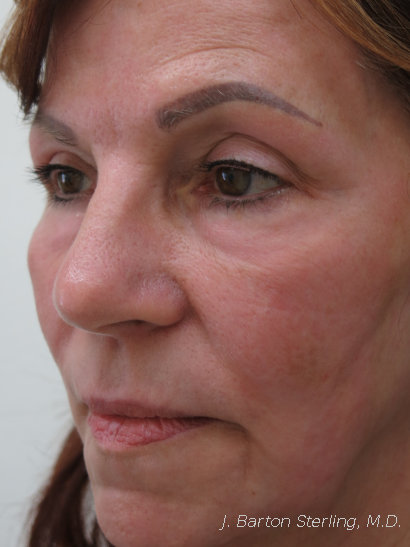
Chemical peel before
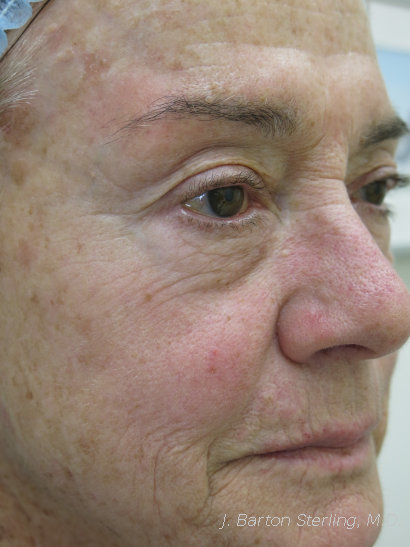
Chemical peel after
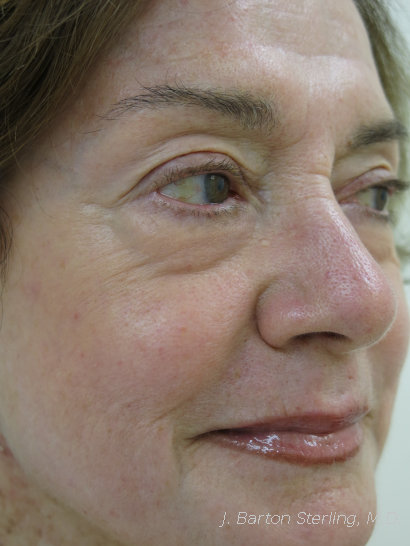
Chemical peel before
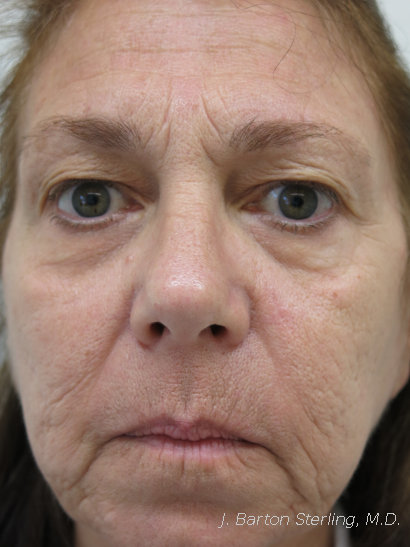
Chemical peel after
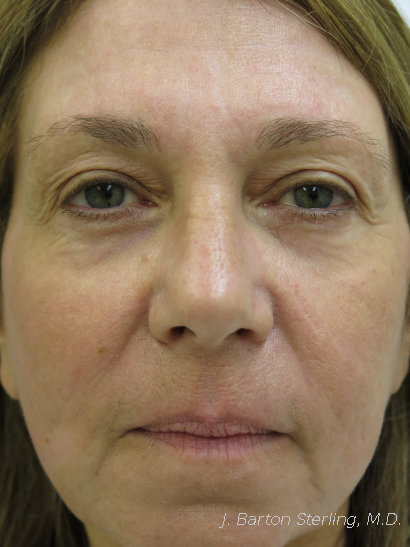
Chemical peel before
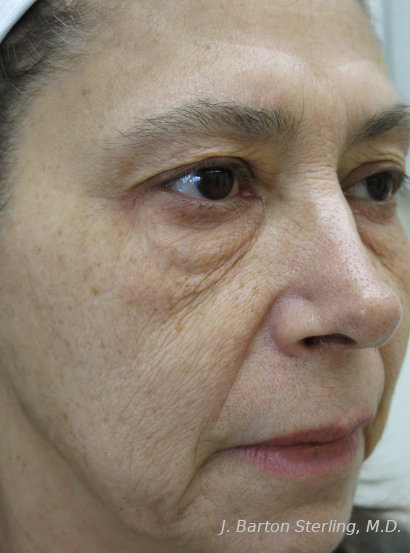
Chemical peel after
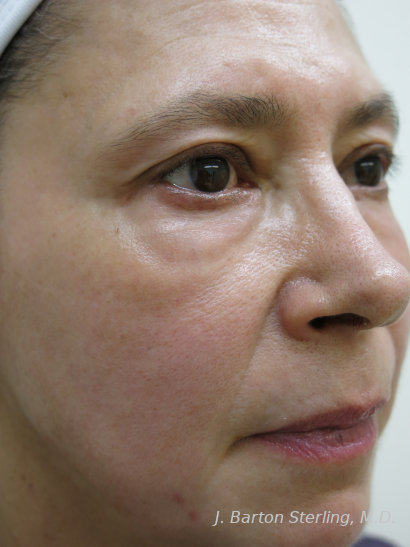
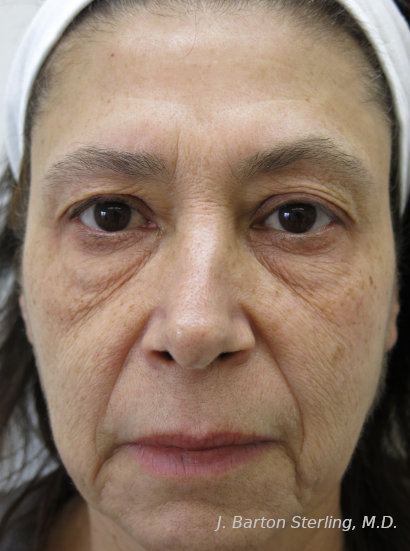
Chemical peel before
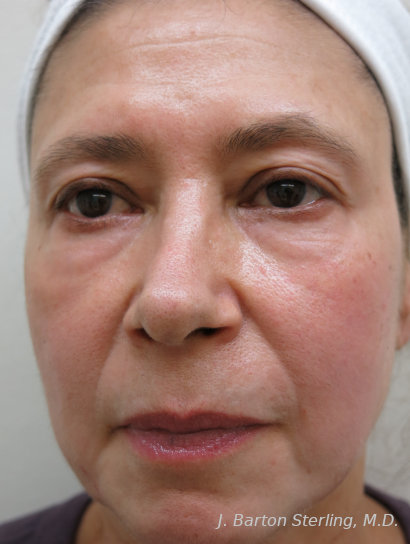
Chemical peel after
Deep Chemical Peel before
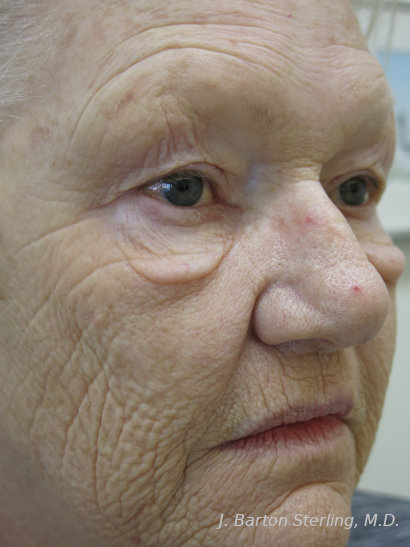
Deep Chemical Peel after
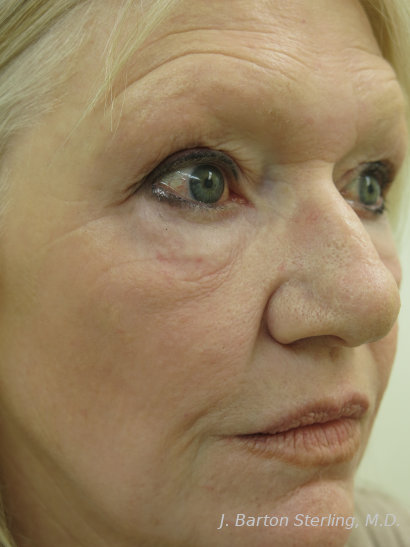
Yes, this is the same person!
If you are considering facial rejuvenation, consult the expert. Dr. Sterling is highly experienced. He has performed thousands of peels and has lectured on the subject to other dermatologists at national dermatology meetings. Dr. Sterling has also written multiple scientific medical journal articles on chemical peeling and skin rejuvenation. Why trust your face to anyone else? Please call our office at 732-449-3005 to arrange a private consultation.
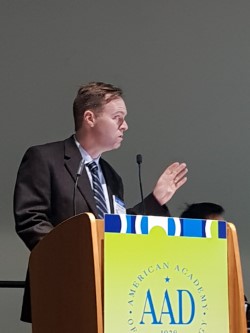
Dr Sterling lecturing on Chemical Peels to other dermatologists at the American Academy of Dermatology National Meeting in San Diego, California
Dr. Sterling’s recent scientific medical journal publications about chemical peels and skin rejuvenation:
Seaver, Wambier, Rullan, Sterling, et. al. Chemical Peeling induces durable improvement of constitutional periorbital dark circles. Dermatologic Surgery 2023 Feb 1.
Sterling JB, Lee, K, Wambier C et al. Depth Map for Face and Neck Deep Chemical Peel Resurfacing. Dermatologic Surgery 2020;46:1204-1209.
Wambier CG, Lee KC, Soon SL, Sterling JB, Rullan PP, Landau M, Brody HJ; International Peeling Society (IPS). Advanced chemical peels. Journal of the American Academy of Dermatology 2018 Dec 11.
Lee KC, Wambier CG, Soon SL, Sterling JB, Landau M, Rullan P, Brody HJ; International Peeling Society(IPS). Basic chemical peeling-superficial and medium-depth peels. Journal of the American Academy of Dermatology 2018 Dec 11.
Lee KC, Sterling JB, Wambier CG, Soon SL, Landau M, Rullan P, Brody HJ; International Peeling Society (IPS). Segmental phenol-Croton oil chemical peels for treatment of periorbital or perioral rhytides. Journal of the American Academy of Dermatology 2018 Dec 5.
Wambier CG, Neitzke IC, Lee KC, Soon SL, Rullan PP, Landau M, Simão JCL, Sterling JB, Brody HJ; International Peeling Society (IPS). Augmentation and eversion of lips without injections: the lip peel. Journal of the American Academy of Dermatology 2018 Jun 20.
Sterling JB. Micropunch blepharopeeling of the upper eyelids: a combination approach for periorbital rejuvenation–a pilot study. Dermatologic Surgery 2014 Apr;40(4):436-40.
Dermabrasion
Dermabrasion acne scars before and after
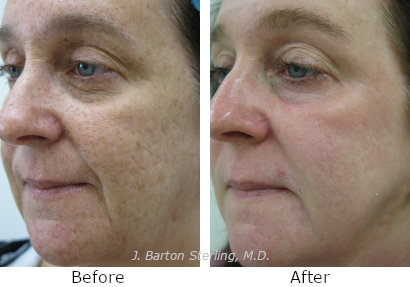
Dermabrasion is a procedure in which Dr. Sterling removes or “sands” the skin with a diamond-studded rotary instrument to improve its contour. Dermabrasion should not be confused with “micro-dermabrasion”, which is a superficial technique for minor skin refreshing. Dermabrasion is predominantly used to improve scars from acne, chicken pox, surgery and accidents. It can also be used to treat sun damage, wrinkling, and precancerous skin growths. The skin is completely numbed prior to dermabrasion.
Laser Rejuvenation
The use of lasers in dermatology has advanced rapidly over the years. Dr. Sterling uses three precision lasers (CO2, KTP and ND:Yag lasers) to remove the most common signs of age and sun damage from red and brown discoloration and wrinkles.
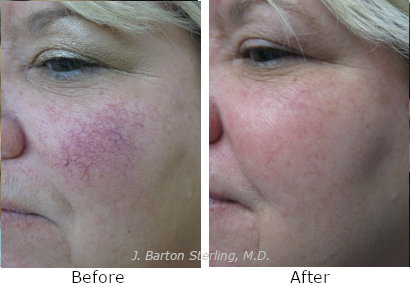
How do lasers work to rejuvenate the skin?
Laser rejuvenation works by precisely targeting the three major signs of aging:
Brown discolorations, also known as pigmented lesions (age spots, sun spots, etc.), are darker than the rest of the skin and absorb more laser energy than surrounding skin.
Red discolorations, also known as vascular lesions (small veins, rosacea, cherry angiomas, etc.), are overgrown or enlarged blood vessels. Preferentially heating vessel walls causes them to weaken and be absorbed by the body.
Wrinkles and skin laxity are caused by a gradual breakdown in collagen density and strength. Deep heating laser energy starts a regenerative process which lays down new healthy collagen.
Fees for Chemical Peel, Dermabrasion and Laser Rejuvenation
The fee typically ranges from $2,900 to $6,900 depending on the severity of sun damage, wrinkles and the patient’s individual skin characteristics.
Chemical peel before
Chemical peel after
Dr. Sterling had the pleasure of peeling four sisters
Shown from youngest to oldest